.png)


Have you ever run a strategy offsite where the only way onto the island is being dropped off by RIB in heavy seas? Where the catering gets cancelled because of the weather, so dinner is whatever you can catch?
Welcome to Casi Adventure Club.
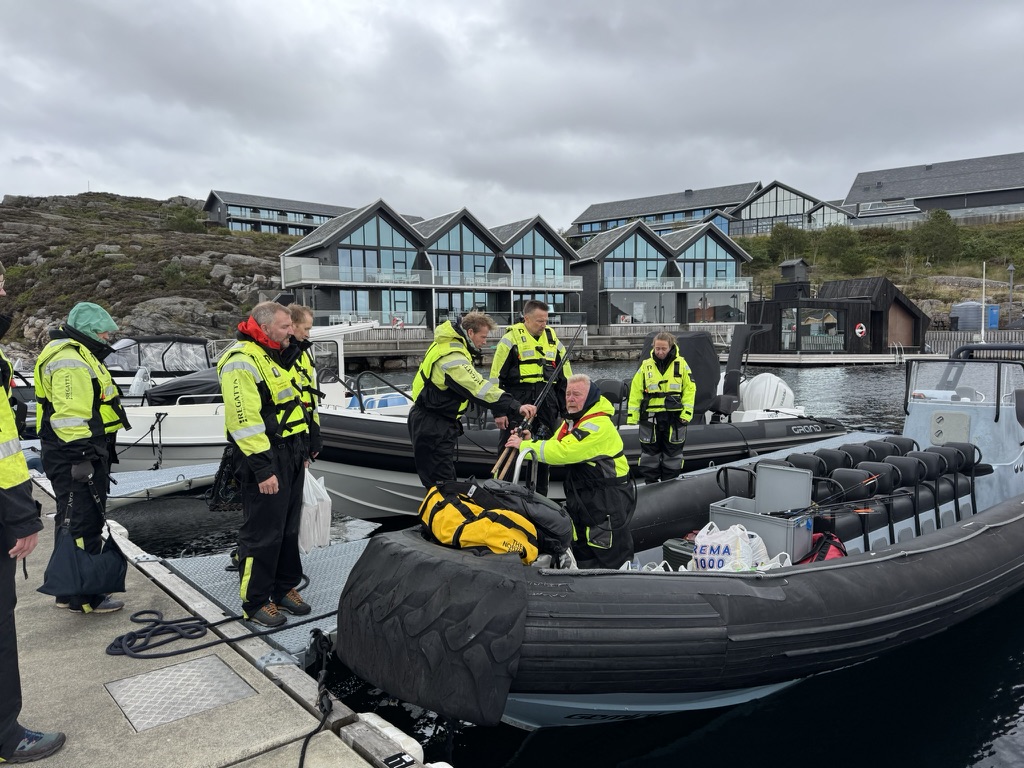
The only way on is a RIB
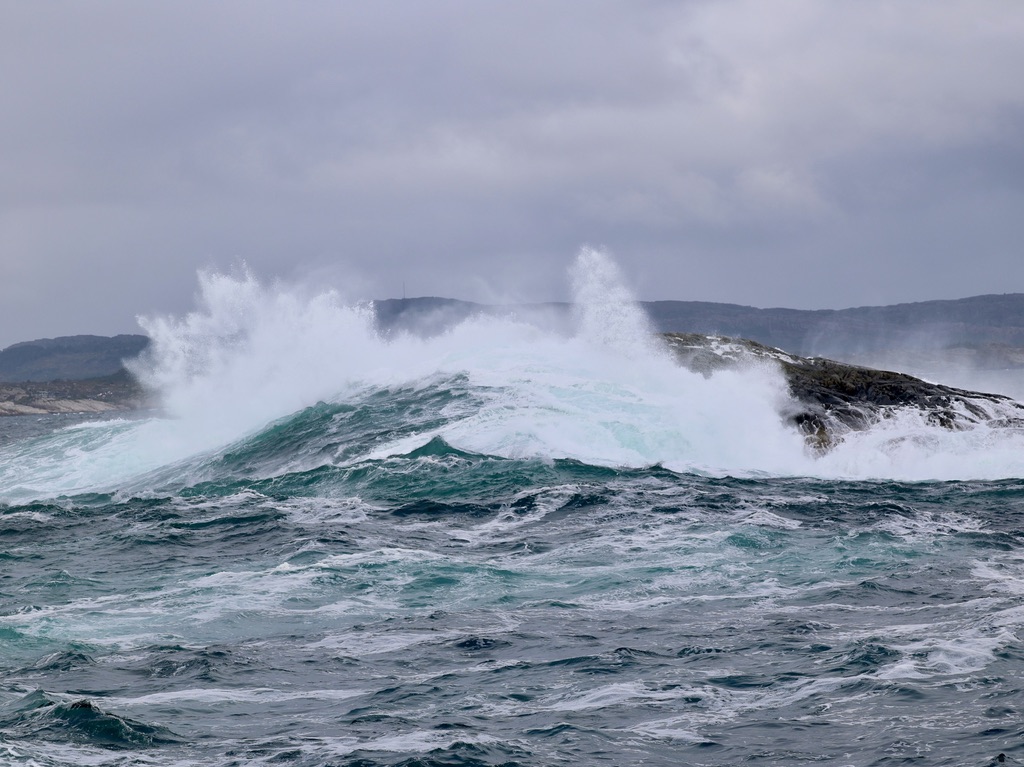
We took the whole team out to Marstein, a lighthouse on a bare rock at the mouth of Korsfjorden, west of Bergen. It has been lit every night since 1877, guiding ships past one of the most exposed stretches on this coast. The sea has taken five piers out there over the years. That is not a figure of speech. Five separate structures, built by people who knew what they were doing, gone.
Three days. No boat off once you are there. Every bag soaked through with sea spray before we had even landed. The post-its and brown paper we had carefully prepared were lost to the salt water within the first hour, which is roughly the point at which you find out whether your agenda was the actual plan or just the paperwork around it.
Dinner became a group project
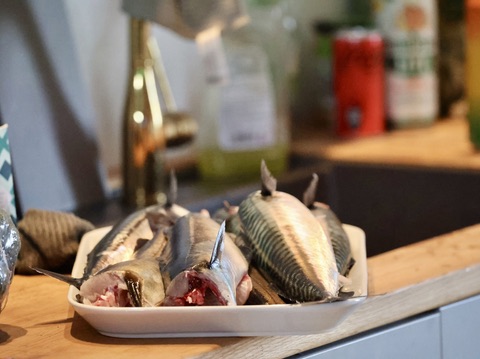
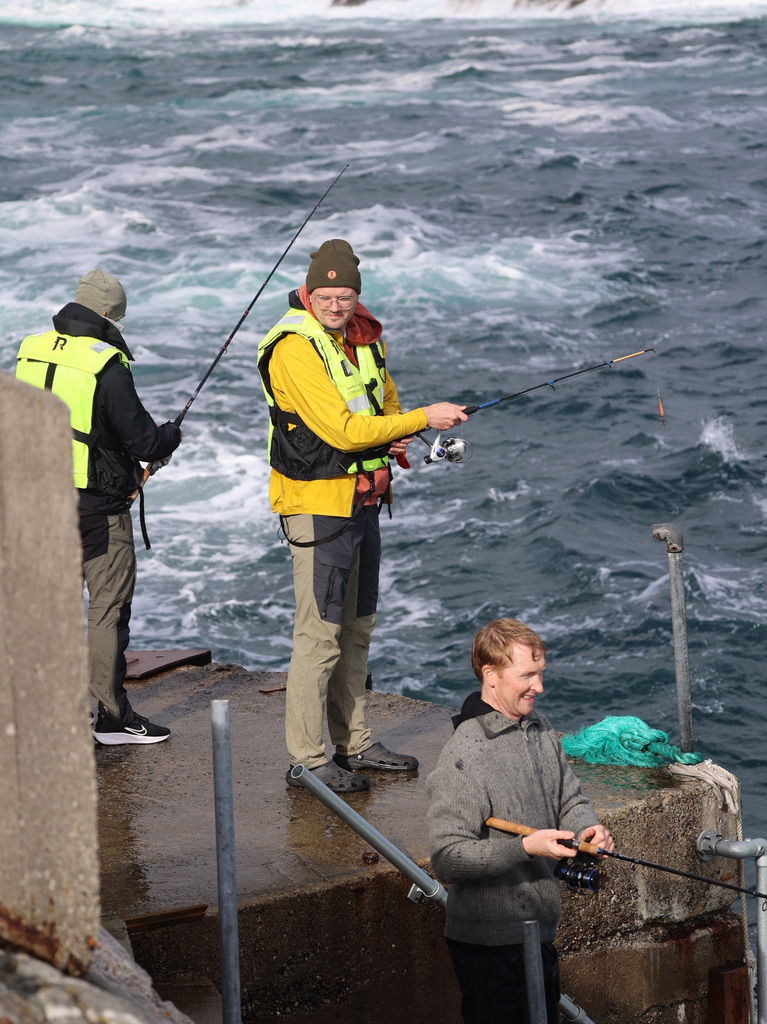
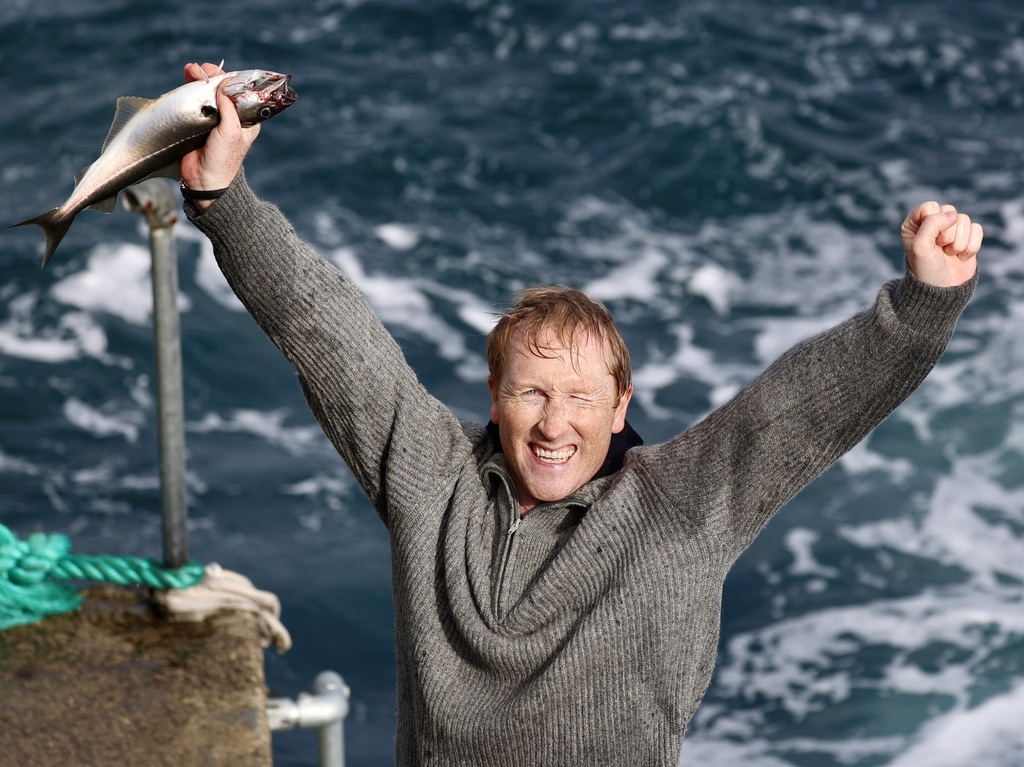
The catering never made it. They had to leave early because the wind was picking up, and that was no fault of theirs. The sea was the sea. So dinner became a group project. Rods out on the rocks, a crab pot in the water, and a genuine uncertainty about how the evening was going to go.
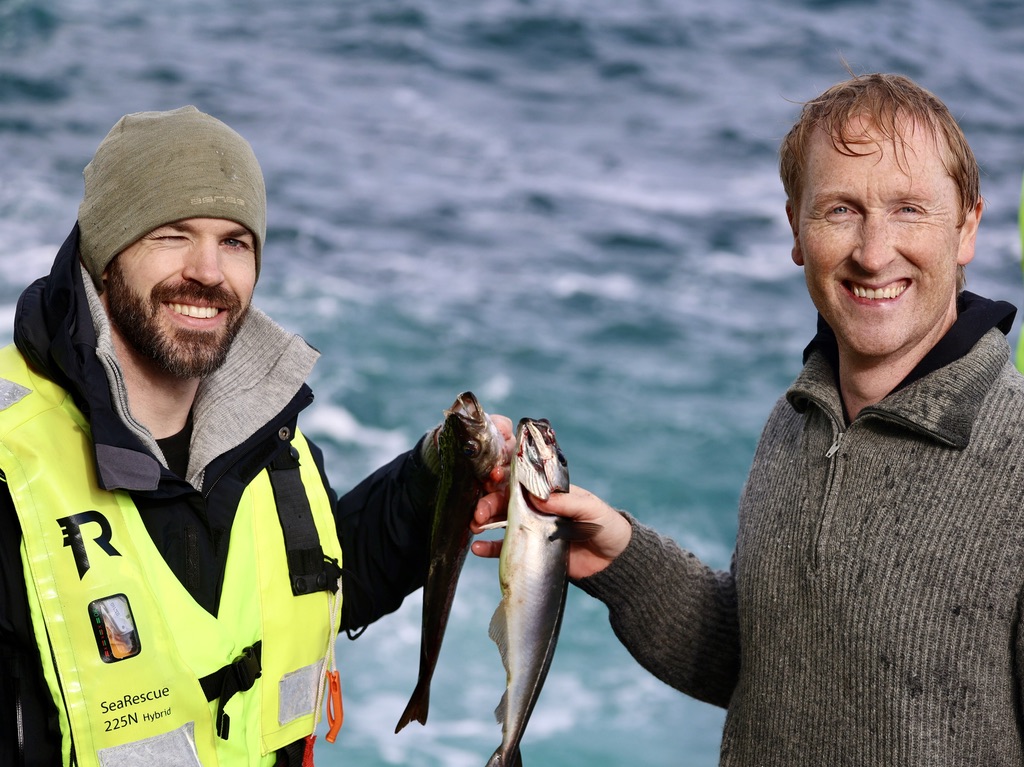
It was, hands down, the best meal I have ever had at an offsite. Apologies to every caterer I have ever booked.
There is something about a team standing on wet rock in failing light, collectively responsible for whether anyone eats, that no icebreaker has ever produced. Nobody was performing. Nobody was managing upward. People just sorted out who was doing what, and it happened faster than any workshop exercise I have run.
The pink lighthouse
The title of the session was "Casi, the pink lighthouse for the European car industry."
Normally that is the kind of line that sounds great on a slide and then quietly dies on the boat home. Everyone nods, nobody argues, and three weeks later it has evaporated because it never meant anything specific.

This one did not die, and I think the location is the reason. Sitting inside the actual thing forces the metaphor to be honest. Because a lighthouse is not a destination. Nobody sails to a lighthouse. It sits in the worst weather on the coast being relentlessly, boringly lit, so that everyone else can move fast in the dark and still know where the rocks are.
That is the job we want in this industry. Not to be where our customers are headed, but to be the fixed point that lets them go there quickly and without hitting anything. The OEMs, FleetCos and finance companies on our platform are the ones sailing. Our job is to be lit, every night, including the nights nobody is watching.
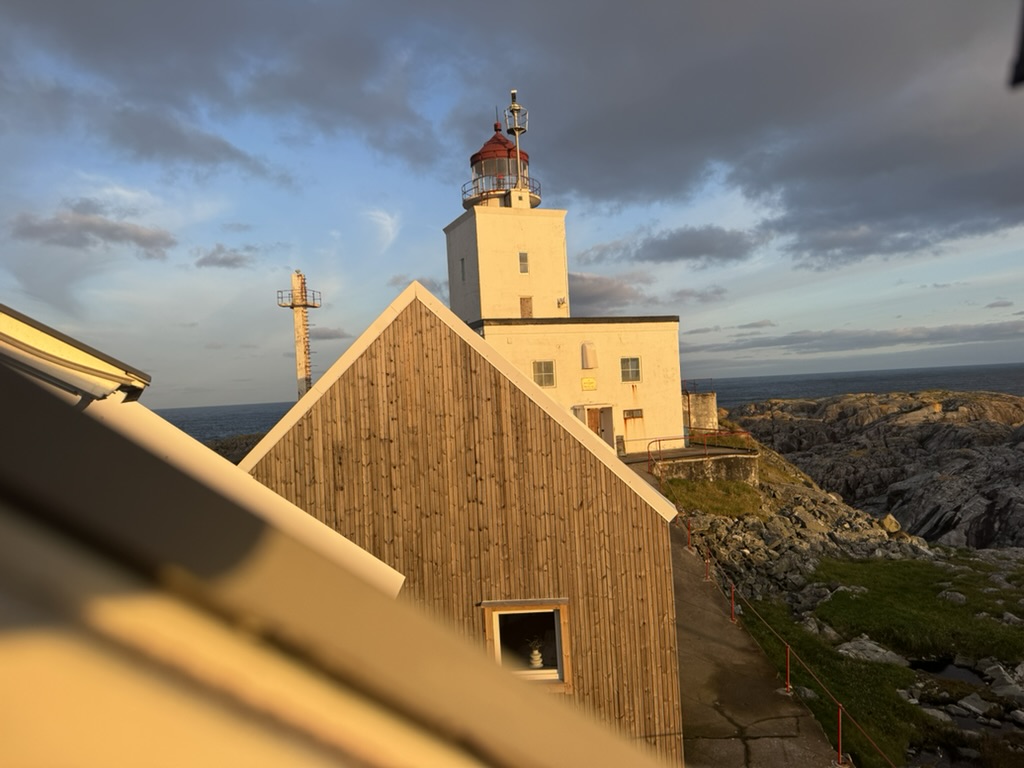
And notice what a lighthouse actually emits. Not propulsion. Information. Marstein has never moved a single ship. It tells you where you are, and it does so on the nights when knowing that is the difference between arriving and not. That is the part of the metaphor that matters most to us, because it is exactly what a fleet needs and rarely has: a dependable signal about where the value in a vehicle sits right now, tonight, rather than a reconstruction at the end of the quarter. Connectivity gives us the position. Structured data turns a position into a bearing. Without both, a fleet is navigating on memory and hoping the rocks have moved.
I do not think we would have landed that in a meeting room. In a meeting room it stays a nice image. Out there it turned into a set of quite specific arguments about what we should and should not build, which is what you actually want from a strategy session.
What you learn when the plan falls apart
You learn more about a team in the three hours after the plan falls apart than in three days of workshops. Out there we got both, in that order, and the second part was the useful one.
We came home with a positioning that survived the boat back, and with a much clearer picture of who does what when nothing is prepared. Those two things turn out to be related. A company that can only function with the brown paper on the wall is not a company that can be relied on in bad weather.
It is also the thread running through what we are building next. A vehicle ledger that makes the economics of a single car transparent across its whole life. Casi Apex, which turns that data into something a fleet can act on rather than merely report. And the connected fleet work that feeds both of them from the vehicles themselves. Three different projects, one idea: keep the light on, and let everyone else sail fast. We will write about each of them in turn.
Marstein has been lit since 1877. That is 149 years of showing up in conditions where nothing else does. It is a high bar for a software company, and we know it. But it is the right bar, and we would rather aim at it than at something more comfortable.
Cannot wait for the next Casi Adventure Club!




.avif)


.png)
.png)